Strong Enough for the Life You Want |
What caring for your body can teach you about self-respect, strength, and the freedom to live fully |

There is a quiet conversation taking place within us every day, and much of it happens without words.
It unfolds in the decisions we make about our time, the commitments we honor, the needs we acknowledge, and the promises we keep to ourselves.
We make room for important meetings, family obligations, and the people who count on us, yet our own wellbeing can become the appointment that is easiest to postpone.
What if caring for our bodies is also one way of reminding ourselves that we matter?
The Messages We Send Ourselves
The brain learns from repeated experiences, and our choices can gradually shape what feels familiar, possible, and worthwhile.
Neuroplasticity describes the nervous system's capacity to change with experience, but it would be misleading to claim that a workout literally programs the brain with self-worth.
The more grounded insight is that keeping manageable commitments can build self-efficacy, our confidence that we can act effectively on our own behalf.
A woman who sets aside time for a walk or a strength session may be doing more than moving her muscles; she may also be practicing the experience of honoring her own needs.
Missing exercise, however, does not mean she lacks self-respect, and rest can be every bit as intentional as movement.
The Body Is Not Separate From the Life We Live
Across spiritual traditions, the body has been understood as a vessel, a companion, or an instrument through which consciousness encounters the world.
These are spiritual interpretations rather than scientific conclusions about consciousness, but they offer a compelling invitation to reconsider our relationship with physical wellbeing.
Our bodies let us embrace the people we love, feel sunlight on our skin, explore unfamiliar places, and dance when a favorite song comes on.
How easily we forget that extraordinary everyday service when we relate to the body only through its appearance or limitations.
To care for it can be an act of appreciation rather than correction.
Strength as a Form of Freedom
Physical strength matters because it supports the ordinary freedoms that make a life feel expansive.
Think of carrying a suitcase up the stairs of a little hotel in Lisbon, tending a garden, lifting groceries, or getting up from the floor after playing with a child.
These moments do not look like fitness achievements, yet muscle strength helps make them possible.
Age-related changes in muscle and physical performance can become more noticeable in midlife and later life.
Perimenopause and menopause add hormonal changes to that picture, although researchers are still studying precisely how estrogen influences muscle function apart from aging and activity levels.
What is firmly established is that resistance training can improve muscular strength in postmenopausal women and can help adults maintain physical function as they age.
This is not an argument for turning every woman into a gym enthusiast.
It is an invitation to see strength as something that serves the experiences she hopes to enjoy.
The Spiritual Significance of a Promise Kept
Many women are remarkably dependable when someone else needs them.
They keep track of deadlines, school schedules, birthdays, and the thousand invisible details that hold a household or community together.
Yet promises made to themselves can feel strangely optional.
Sometimes this reflects circumstances rather than priorities: illness, disability, exhaustion, caregiving, and limited resources can all narrow the room available for exercise.
But when a woman has a genuine opportunity to care for herself and repeatedly decides that everyone else's needs must come first, it may be worth gently questioning that pattern.
A promise to ourselves need not be dramatic to matter.
Making room for movement can become a small practice of alignment between what we say we value and what we choose to do.
From a spiritual perspective, that alignment may feel like integrity or devotion; from a psychological perspective, it may nurture trust in our own follow-through.
Neither interpretation requires perfection.
Midlife Offers a Different Question
By our forties and fifties, many of us have spent years responding to what life requires.
Midlife can invite a different question: what would I like my body to help me experience in the decades ahead?
Perhaps the answer is traveling, hiking, gardening, dancing, or simply moving through the day with more ease.
Strength becomes more meaningful when it is connected to those desires rather than to an arbitrary standard of appearance.
It is also possible to begin gently, with an approach suited to one's health, abilities, and circumstances.
There is no moral hierarchy between a woman lifting weights in a gym, a woman exercising with bands at home, and a woman working with a physical therapist to reclaim a comfortable movement.
Already Worthy of Care
The most important distinction is that self-worth is not a reward for discipline.
You do not become worthy because you care for yourself; you care for yourself because you are already worthy.
That change in perspective makes room for nourishment, recovery, and compassion alongside effort.
Some days caring for the body will mean challenging it; other days it will mean listening when it asks for rest.
Both can express respect.
Ultimately, the point of becoming stronger is not to spend more of life thinking about exercise.
It is to have more freedom to participate in everything that makes life worth living.
Your body is not an obstacle standing between you and that life; it is part of how you experience it. |
More from Resonant
Oct 10, 2026
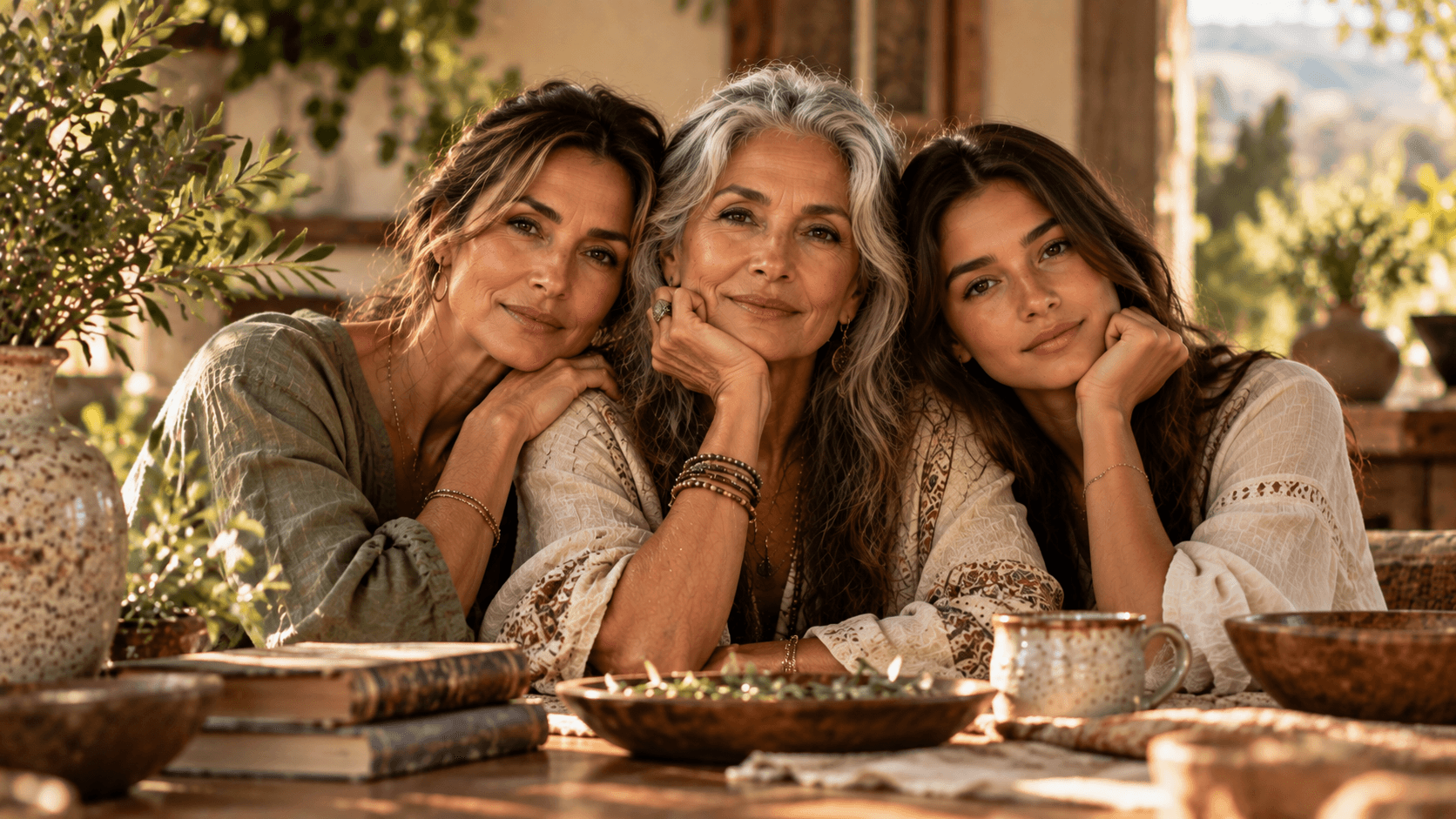
What Happens When Women Become the Elders?
We have spent enormous cultural energy asking how a woman can remain young. Perhaps it is time to become equally fascinated by the extraordinary woman she is becoming.

Oct 10, 2026
Everoak Farm Orlando: Regenerative Farming & Local Food | Resonant
Meet Everoak Farm, a family-run Orlando farm growing seasonal produce through regenerative practices, a local farmstand, and community-supported agriculture.
Oct 9, 2026
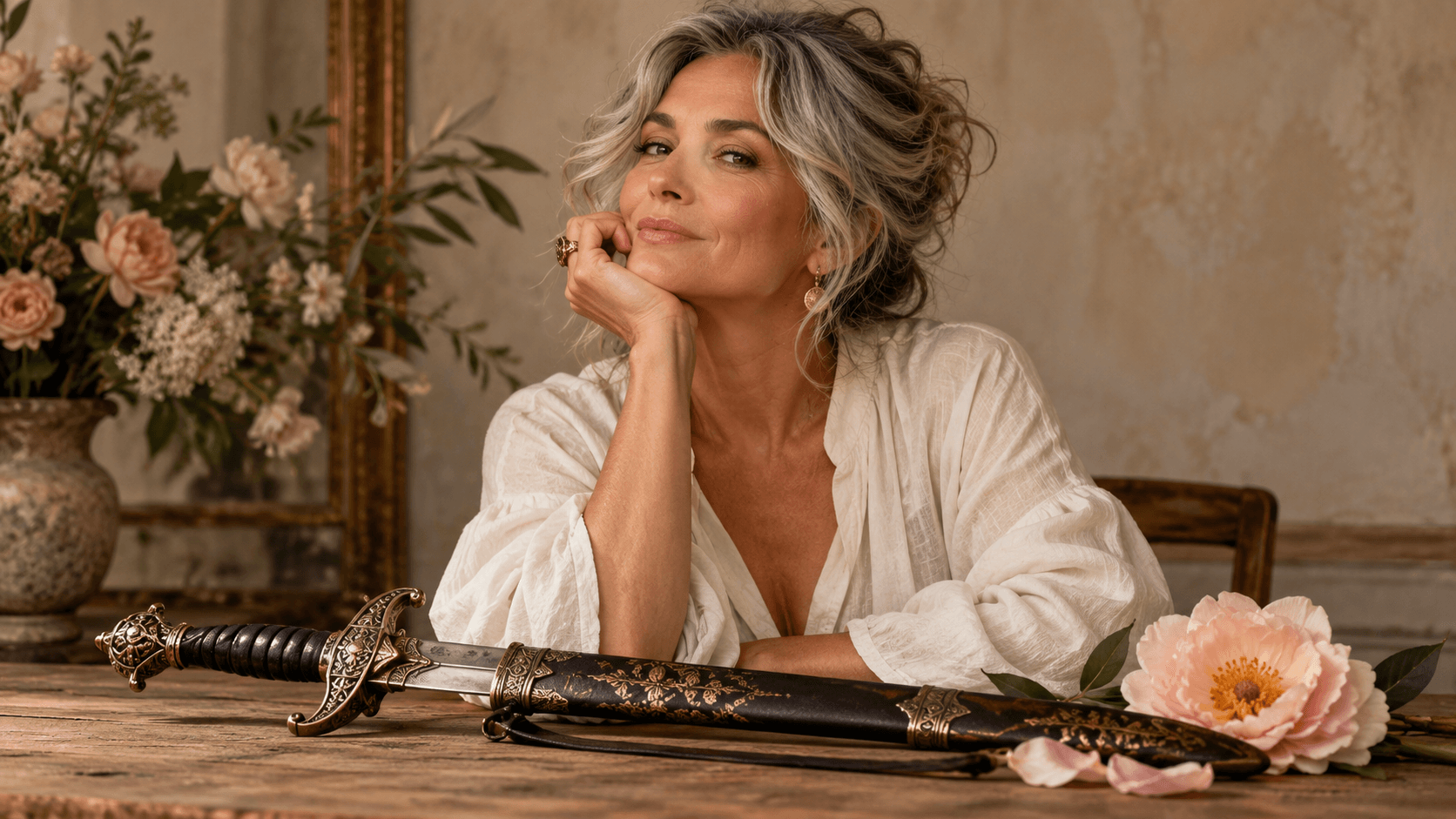
Excuse Me, but My Yoni Is Not a Sword Sheath!
What the words we use for our most intimate anatomy reveal about language, feminine identity, and our relationship with our bodies.

Oct 9, 2026
What Do Women Know That Doesn't Fit on a Résumé?
By midlife, a woman may have accumulated an extraordinary body of knowledge that no credential, job title, or professional biography could ever adequately describe.
0 Comments
Join the conversation
Be the first to comment
Share your thoughts above.