
A Food Forest Grows In Layers, Not Rows |
How Central Florida gardeners can design an edible landscape that learns from a young woodland instead of fighting the climate. |
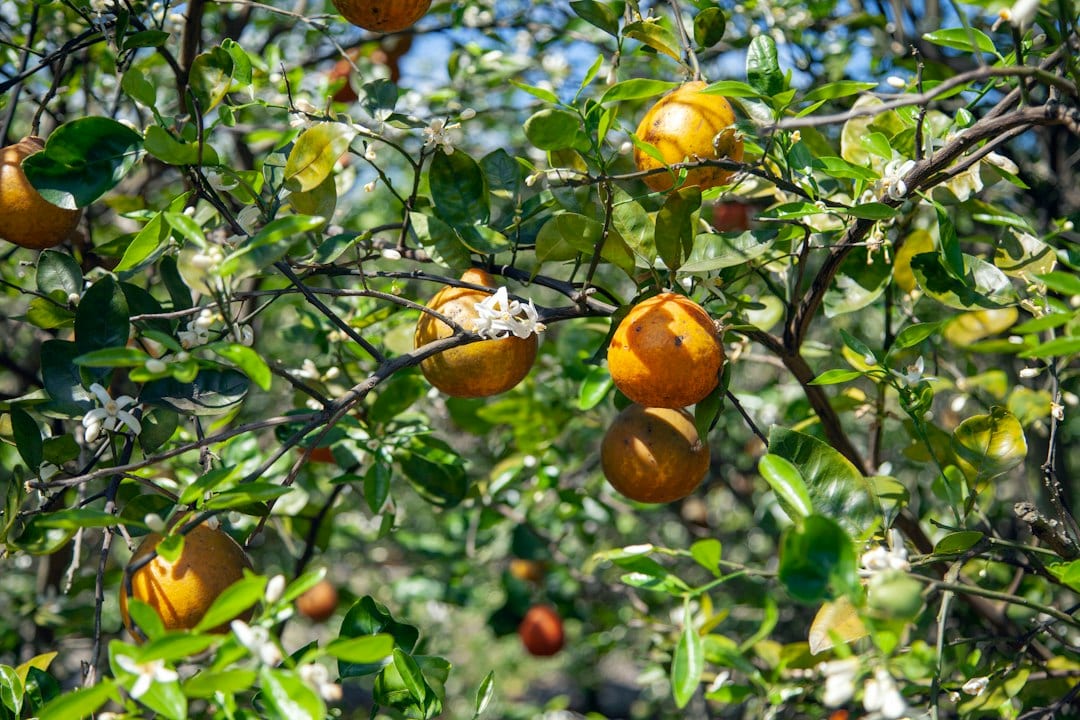
Photo by Tamara Malaniy on Unsplash Central Florida can make a gardener feel personally judged. The sand drains before you finish watering, the sun changes its mind about mercy, and summer growth can swallow a path by Thursday. A food forest offers a different relationship with the yard: instead of insisting that every plant stand in a tidy row, you design in layers and let the landscape behave more like a young woodland. A Garden That Uses Vertical Space The USDA Forest Service describes food forests, also called forest gardens, as a form of agroforestry that arranges trees and understory plants in multiple vertical layers. UF/IFAS translates the idea for Florida gardens: a canopy, smaller fruiting trees, shrubs, herbs, ground covers, roots, and vines can share one designed ecosystem. This is not an invitation to cram seven plants into every square foot. Each layer still needs suitable light, water, air movement, and mature spacing. The art is in relationship. A taller tree may create afternoon relief for a shade-tolerant herb, while a ground cover protects bare soil and a vine uses space that would otherwise remain empty. Begin With Observation, Not Shopping Before buying a single mango, fig, or blueberry, watch the site. Where does water stand after a July storm? Which corner burns in late afternoon? Where are the roof runoff, buried utilities, septic components, fences, and neighborly boundaries? A food forest is a long conversation; tree placement is the sentence you cannot easily erase. UF/IFAS Extension can help you match plants to your county, soil, chill hours, and cold risk. Central Florida sits in a transition zone where a plant that flourishes ten miles south may sulk after one hard freeze. “Edible” is not the same as “appropriate here,” and “perennial” is not a promise of zero care. |
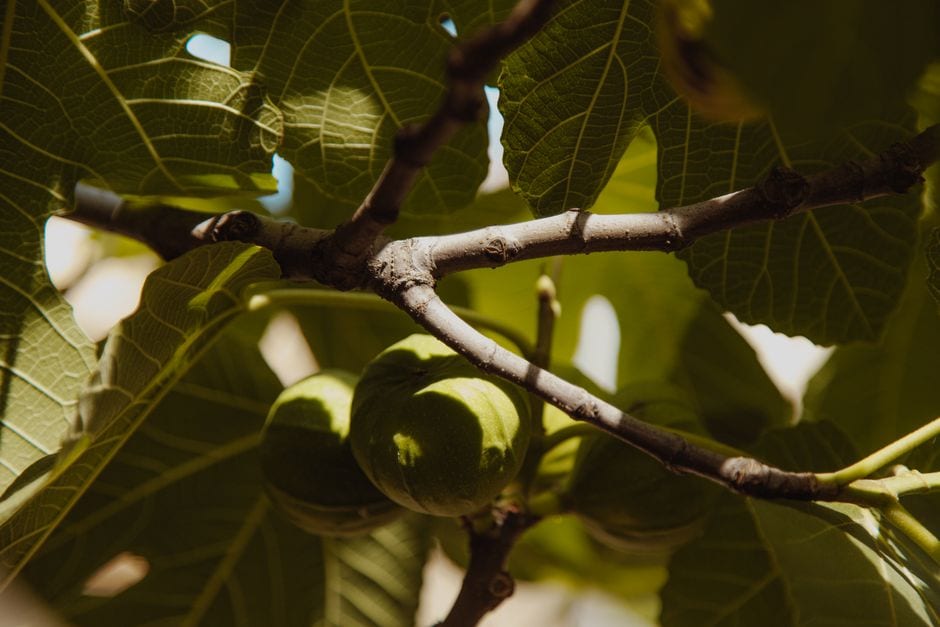 Photo by ROMAN ODINTSOV on Pexels · Illustrative image. |
Build One Guild At A Time Start with one anchor tree and a small supporting community. Around a citrus or mulberry, for example, you might plan a pollinator plant, a low edible ground cover, and herbs that suit the same moisture and light conditions. Leave access for pruning, harvesting, and the wheelbarrow you will absolutely wish you had remembered. Think in time as well as space. The sunny opening beneath a young tree will change as its canopy expands. A fast-growing support plant may serve for several seasons and then need thinning. Fallen leaves become mulch; pruned branches become material; shade changes which volunteers thrive. Design includes the humility to revise the design. Mulch can moderate heat and conserve moisture, but keep it away from trunks. Learn which species spread enthusiastically before giving them romantic permission to “naturalize.” The USDA notes that urban food forests still contend with pests, wildlife, and management; abundance is designed and tended, not summoned by vocabulary. Let The Landscape Teach Reciprocity A food forest shifts the question from “What can I get from this patch?” to “What relationships make this patch more alive?” That is BioAwareness™ in work clothes. You notice succession, shade, decomposition, insects, and the limits of your own attention. The harvest includes fruit, but also literacy in place. There is nourishment in that literacy before the first harvest. You begin to read a curled leaf, the direction of runoff, and the hour pollinators arrive. The yard stops being a decorative surface and becomes a community whose members have needs, gifts, and consequences. Choose one modest area this season. Map its sun and water, identify one well-adapted anchor plant, and consult your county Extension office before planting. Then give the system time. A garden built on relationship will never be finished in the showroom sense. It becomes more articulate as you learn to listen. |
More from Resonant
Oct 24, 2026
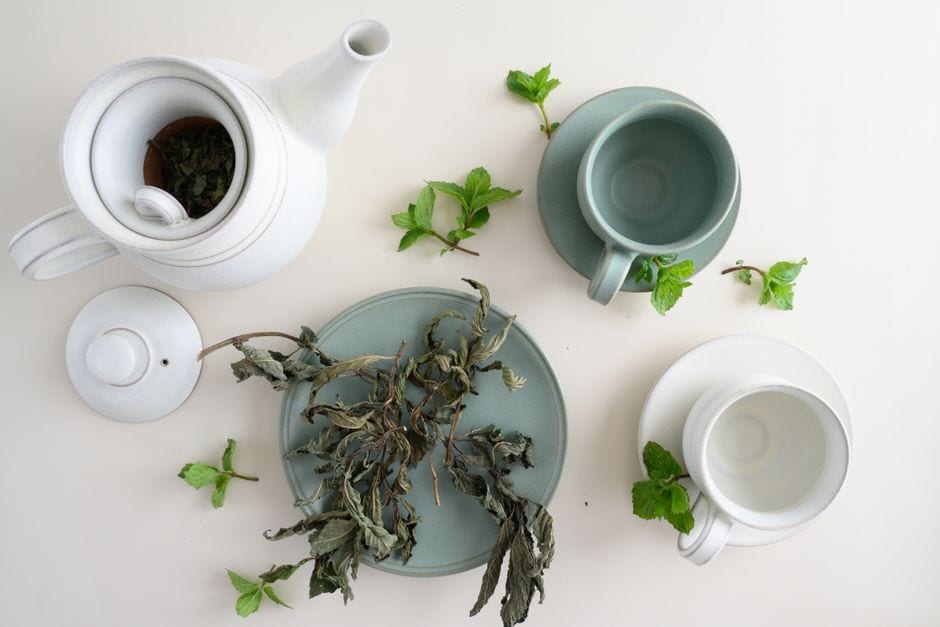
An Herbal Tea Garden Can Begin With One Pot
Grow a little of what fills your cup, and let tending, harvesting, and brewing become everyday practices of presence and gratitude.

Oct 23, 2026
Mirror Work Does Not Require You to Lie to Yourself
A reflective practice can begin with recognition rather than forced positivity or promises of instant healing

Oct 23, 2026
A Morning Ritual Should Return You to Yourself
A gentle practice for beginning the day with attention before the world begins making requests

Oct 23, 2026
Ecstatic Dance Invites the Body Back Into the Conversation
What to expect from free-form conscious dance, and how to enter an Orlando-area gathering with curiosity and consent
0 Comments
Join the conversation
Be the first to comment
Share your thoughts above.