
An Herbal Tea Garden Can Begin With One Pot |
Grow a little of what fills your cup, and let tending, harvesting, and brewing become everyday practices of presence and gratitude. |
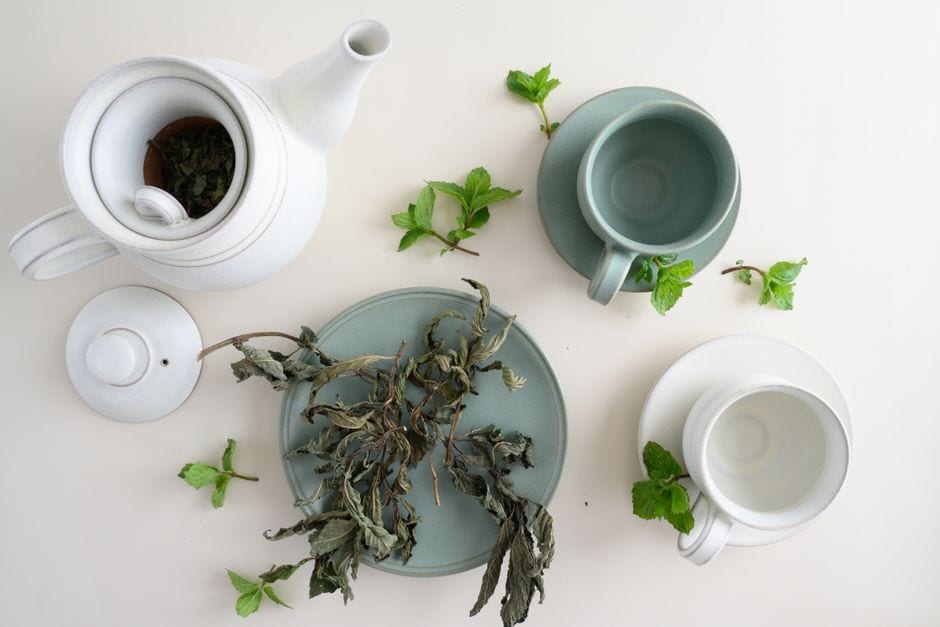
Photo by Jana Ohajdova on Pexels. Illustrative stock photograph; not a reported local scene.
There is a different sort of pleasure in making a cup of tea when you have watched something in it grow. Before the kettle comes the watering, the new leaf, and the small decision to pay attention to a living thing.
An herbal tea garden need not begin with raised beds or an ambitious shopping list. One correctly identified culinary herb in a suitable pot is a perfectly respectable beginning. Your patio does not need to become an agricultural enterprise by Saturday.
That small decision can become a spiritual practice. You give water, light, and attention; the plant responds in its own time. Before anything reaches your cup, you are already participating in a relationship with the living world. Nourishment begins in the tending.
Begin With the Cup You Actually Want
Think about the flavors you already enjoy. Perhaps you reach for mint, prefer something citrusy, or like the tartness of roselle. Start there, rather than with a collection of plants chosen because someone described them as essential.
UF/IFAS distinguishes traditional tea, made from Camellia sinensis, from the many other plants used in herbal infusions. Its Homegrown Teas guide identifies several possibilities for Florida gardens, including lemongrass and roselle.
You do not have to grow the true tea plant to develop a meaningful relationship with what you brew.
Give Mint a Place of Its Own
Mint offers a practical starting point. UF/IFAS recommends containers to keep its spreading runners from taking over neighboring plants, and notes that it prefers light or partial shade in Florida.
That is useful permission to work with the conditions you have rather than forcing a plant into the photograph you saved. Look at where the sun actually falls, check the pot's drainage, and learn the watering needs of the herb you buy.
Choose a culinary mint with a reliable label. A pleasant fragrance is not a sufficient method of identifying a plant for consumption.
You might begin with one variety and discover how differently its leaves smell when brushed, picked, or prepared. The learning is part of the garden, not a delay before the garden becomes worthwhile. Let Tending Become a Practice of Attention
Before reaching for the watering can, pause long enough to see what is actually there. Notice the soil, a leaf’s texture, the direction of the light, or a stem leaning toward the window. Let your senses lead before your mental checklist takes over.
This is mindfulness in an ordinary form: meeting what is in front of you instead of attending only to what you expected to find. Your mint does not need you to be an accomplished meditator. It needs you to notice whether it needs water.
A plant’s rhythm may also interrupt the habit of demanding immediate results. New growth cannot be hurried simply because you have finally made time for it. There is something worth remembering in that, especially when so much of a woman’s day is organized around producing an answer.
|
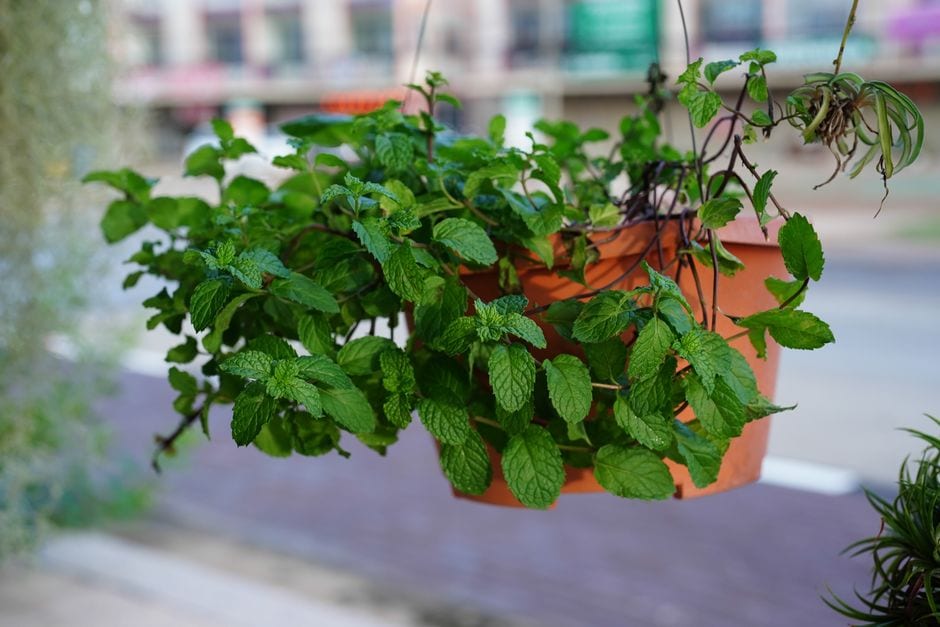 Photo by Sutee Vichaporn on Pexels. Illustrative stock photograph; not a reported local scene. |
Add Another Flavor When You Are Ready
Lemongrass brings a citrus character to an infusion. Its botanical name is Cymbopogon citratus, which helps distinguish the culinary plant when you are shopping. Consider its mature size and growing requirements before squeezing it beside a smaller herb.
Roselle, Hibiscus sabdariffa, offers another direction. The tart ingredient used for tea is its calyx, not a reason to pick flowers from any ornamental hibiscus you encounter.
The UF/IFAS Citrus County guide, Teas Please, introduces these plants as possibilities for herbal infusions. Use its growing information as a starting point and ask your county Extension office when identification or care is uncertain.
A modest garden you understand is more useful than an impressive collection whose needs remain a mystery.
Tend the Garden You Will Use
Place your plant somewhere you will notice it. Keep a simple note of its name, the light it receives, and what changes as you care for it.
When harvesting, use only correctly identified edible plant parts grown for food use. Wash them, avoid contaminated or inappropriately treated plants, and follow reliable preparation guidance. Herbs are not automatically suitable for every person; check individual considerations when medications, pregnancy, or allergies are relevant.
There is no need to attach a treatment claim to the cup. Flavor, familiarity, and the pleasure of tending something are sufficient reasons to begin.
Bring Gratitude to the Harvest
When the plant is established and ready to harvest, take what you will use and leave room for continued growth. Notice the difference between receiving something and taking it without attention. Even a few leaves can remind us that our nourishment depends on lives and conditions beyond our own.
If blessing is part of your spiritual life, offer a few words of thanks as you gather or prepare the leaves. You might acknowledge the plant, the water, the soil, and the hands that helped it reach your home. The words can be simple and entirely your own.
Make the Cup a Small Ritual of Return
As the infusion steeps, let your attention follow its changing color and rising fragrance. Feel the warmth of the cup when it is comfortable to hold. Before the first sip, ask yourself what you are bringing to this moment. Are you hurried, distracted, grateful, or in need of quiet? You do not have to change the answer before you are allowed to sit down.
Choose an intention that belongs to the ordinary day ahead: to listen before answering, to enjoy your meal without scrolling, or to give yourself the same patience you offer the people you love. The tea becomes a reminder to live that intention, rather than another promise you make and forget.
Your first cup might accompany a brief prayer, a journal entry, or a few unhurried minutes on the patio. The ritual does not need to be elaborate to be meaningful. It grows through the attention you bring to it.
Let the Ritual Stay Small
Choose one plant this week and learn how to care for it well. Make room to notice its growth before expanding the project. You are cultivating something you can taste, tend, and return to, not adding another standard against which to measure yourself.
Perhaps the most nourishing part is not simply what eventually reaches the teapot. It is remembering your place in the living exchange that makes the cup possible, and giving that relationship a little of your time. One pot can be enough room to begin.
|
More from Resonant

Oct 23, 2026
Mirror Work Does Not Require You to Lie to Yourself
A reflective practice can begin with recognition rather than forced positivity or promises of instant healing
Oct 23, 2026
A Morning Ritual Should Return You to Yourself
A gentle practice for beginning the day with attention before the world begins making requests

Oct 23, 2026
Ecstatic Dance Invites the Body Back Into the Conversation
What to expect from free-form conscious dance, and how to enter an Orlando-area gathering with curiosity and consent
Oct 23, 2026
The Art of Being Nourished: When Dining Becomes a Sensory Ritual
A slow, sumptuous evening can be an invitation to sensual awareness, presence, and the pleasure of receiving.
0 Comments
Join the conversation
Be the first to comment
Share your thoughts above.